Knowledge & Industry Updates

BOHARA Group Blog & Insights

Latest news, expert buying guides, and technical insights on commercial stainless steel cookware and houseware manufacturing.

Blog

China Top Insulated Food Casserole Hotpot Manufacturer

China Top Insulated Food Casserole Hotpot Manufacturer

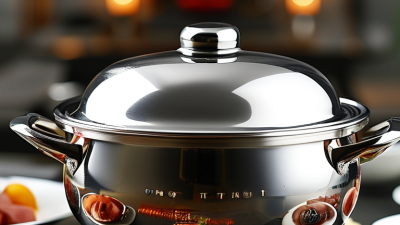
China’s insulated foodware industry is moving from simple heat retention toward measurable food safety, durability, and service efficiency. The global food container market was valued at approximately USD 231.5 billion in 2021, according to Grand View Research, with continued growth expected through 2030. This broad market includes reusable, insulated, and takeaway formats. Within this landscape, the Insulated Food Casserole Hotpot serves restaurants, caterers, hotels, households, and institutional kitchens. A reliable unit should preserve serving temperature, reduce condensation, resist odors, and remain stable during transport. In practical use, a stainless-steel inner bowl, tight silicone seal, and thick insulation can keep soup warm across a busy lunch period. However, performance depends on filling temperature, opening frequency, ambient conditions, and cleaning habits. The report “Global Food Containers Market” by Mordor Intelligence also identifies reusability and convenience as important purchasing factors. These trends support China’s role as a major manufacturing base, but factory scale alone does not prove product quality. Buyers should examine material certificates, leak testing, thermal-retention records, production consistency, and after-sales support. Frank Yiannas, a recognized food-safety expert and former FDA Deputy Commissioner, stated, “Food safety is a shared responsibility.” That principle applies directly here. A hotpot cannot replace temperature monitoring or proper sanitation. It is only one part of a controlled food-service process. This guide examines China’s leading manufacturing capabilities, customization options, quality checks, and sourcing risks. Some market figures vary between reports. That uncertainty deserves attention, not convenient exaggeration. A polished sample may look convincing, yet repeated testing reveals the real supplier.
Read more »

Isabella By:Isabella - October 18, 2026
7 Best Arabic Coffee Pot Dallah Suppliers for Global Buyers

7 Best Arabic Coffee Pot Dallah Suppliers for Global Buyers

Arabic coffee is entering more homes, hotels, restaurants, and cultural venues worldwide. The Arabic Coffee Pot Dallah remains central to that experience. It is not merely a serving vessel. Its curved body, long spout, wooden handle, and polished surface communicate hospitality before the first pour. The International Coffee Organization reported global coffee consumption at about 177.9 million 60-kilogram bags in 2023/24. This expanding coffee culture creates new opportunities for dependable dallah suppliers. However, market growth does not guarantee product quality. A bright finish can hide a weak seam. A traditional shape may still pour poorly. Food historian Nawal Nasrallah describes Arabic coffee service as “a ritual of hospitality.” That perspective matters when comparing international suppliers. Buyers must examine material thickness, food-contact safety, heat resistance, pouring control, and packaging protection. Capacity also matters. A compact dallah suits a family majlis, while larger models serve hotels and event venues. Grand View Research valued the global coffee market at more than USD 220 billion in 2023, showing the scale behind this purchasing trend. Yet reliable dallah-specific data remains limited. That is an important limitation. Supplier claims should therefore be checked through samples, factory audits, certifications, customer references, and clear replacement policies. This guide reviews seven Arabic Coffee Pot Dallah suppliers for global buyers. It considers craftsmanship, customization, export experience, minimum order quantities, and communication. No supplier is perfect. The strongest choice depends on use, budget, volume, and cultural expectations.
Read more »
Isabella By:Isabella - October 13, 2026
2026 Top Decorative Metal Candy Dish Types for Global Buyers

2026 Top Decorative Metal Candy Dish Types for Global Buyers

For global buyers, a candy dish is more than a small container. It can shape a display, support seasonal merchandising, and strengthen a retailer’s visual identity. The 2026 market offers many Decorative Metal Candy Dish options, from polished stainless steel bowls to antique brass trays and sculptural iron designs. Each type creates a different impression. Some look refined. Others feel playful. This guide examines popular styles, materials, finishes, sizes, and sourcing considerations for international purchasing teams. Practical evaluation matters. Buyers should review metal thickness, surface durability, food-contact suitability, packaging protection, and production consistency. A beautiful sample may still disappoint during bulk delivery. Fingerprints can appear quickly on mirror-polished surfaces. Painted finishes may require extra care. These details are easy to overlook. No single style works everywhere. Retailers in hotels may prefer weighted bases and quiet, stable forms. Gift shops may select novelty shapes, bright finishes, or seasonal patterns. Wholesale buyers often need stackable designs, reliable cartons, and flexible order quantities. Supplier experience also deserves attention. Ask for clear specifications, finish samples, inspection records, and realistic lead times. Independent testing or recognized compliance documents may provide additional confidence, depending on the destination market. This overview is designed to help buyers compare options with greater clarity. It does not treat appearance as the only measure of value. A few judgments remain subjective, especially when cultural tastes differ. Still, careful comparison can reduce costly surprises. The strongest choice balances visual appeal, safe use, practical handling, and dependable supply. That balance is rarely perfect. It is worth checking.
Read more »
Isabella By:Isabella - October 8, 2026
What Is the Best Commercial Electric Water Boiler in 2026?

What Is the Best Commercial Electric Water Boiler in 2026?

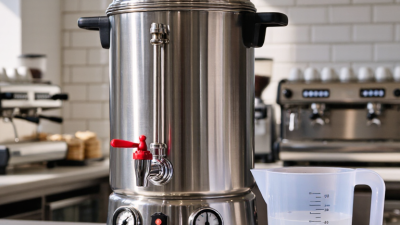
Choosing the best Commercial Electric Water Boiler in 2026 is not simply about finding the largest tank or the lowest price. A busy café, hotel breakfast room, or office kitchen needs dependable hot water throughout changing demand. The right unit should heat consistently, recover quickly, and maintain a safe serving temperature without wasting electricity. This guide examines practical details that purchasing teams often overlook. Capacity matters, but so do insulation quality, thermostat accuracy, recovery time, drainage, and filter access. A boiler that serves 100 cups during a morning rush may struggle if its heating elements cannot recover fast enough. Stainless steel construction can support long-term hygiene, while clear water-level indicators help staff notice problems earlier. Small design choices matter. Real-world operation also reveals weaknesses that product sheets may hide. Some models look efficient but require awkward cleaning routines. Others provide impressive output yet create excessive steam, noise, or heat around the counter. Energy ratings are useful, although they do not always reflect every workplace’s usage pattern. Hard water can shorten component life, even when a manufacturer promises strong durability. The recommendations in this article compare performance, usability, maintenance demands, and overall value. They also consider manufacturer documentation, warranty coverage, and feedback from commercial users. No boiler is perfect. A reliable choice depends on matching the equipment with actual service volume, available space, water quality, and staff habits. That judgment may take more time, but it can prevent costly replacements later.
Read more »
Eleanor By:Eleanor - October 3, 2026
How to Choose a 3-Ply Stainless Steel Saucepan

How to Choose a 3-Ply Stainless Steel Saucepan

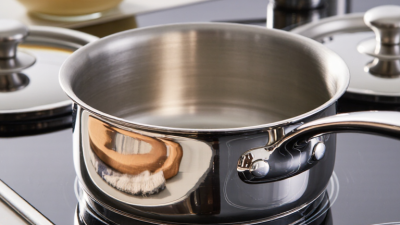
Choosing a 3-Ply Stainless Steel Saucepan requires more than comparing prices or polished finishes. The right pan should match your cooking habits, stovetop, and maintenance expectations. A three-layer construction typically combines stainless steel with an aluminum core, helping heat move quickly and evenly. That matters when preparing delicate sauces, oatmeal, custards, or reduced stocks. Uneven heat can scorch food near the base while the surface remains thin and watery. Small details matter. Check the pan’s weight, handle design, lid fit, and interior capacity. A solid saucepan should feel balanced, not awkward, when filled with milk or broth. The handle should remain comfortable during longer cooking, although “stay cool” does not mean heatproof. Use caution around the connection point. Some models work on induction, but compatibility should be confirmed through the manufacturer’s specifications. Do not rely only on a magnetic test. A practical review should examine heating performance, pouring control, cleanup, and long-term durability. Stainless steel can resist staining, yet burnt sugar and hard-water marks still require patience. The pan is not maintenance-free. Manufacturer care instructions deserve attention, especially when using a dishwasher or abrasive cleaner. A saucepan with a thick base may hold heat well, but it can respond more slowly when temperatures change. That trade-off is easy to overlook. There is no perfect choice. Your best option depends on portion size, cooking frequency, budget, and storage space. Compare measurable features, read credible user feedback, and consider whether the pan feels natural in your hand. Good cookware should support confidence, not create extra work.
Read more »
Eleanor By:Eleanor - September 23, 2026
What Is a Stainless Steel Kadahi With Lid?

What Is a Stainless Steel Kadahi With Lid?

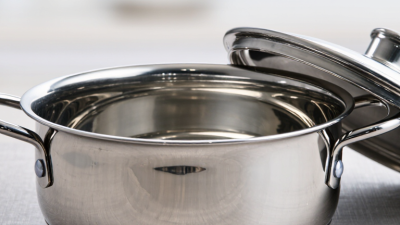
A Stainless Steel Kadahi With Lid is a deep, rounded cooking vessel designed for Indian and South Asian cuisine. It usually has sturdy side handles, a broad cooking surface, and a matching cover. The curved shape helps ingredients move toward the center while stirring. This makes it useful for curries, biryani, sautéed vegetables, fried snacks, and slow-cooked sauces. The lid traps steam and heat. It can also reduce splattering during vigorous cooking. Its stainless steel body resists rust, absorbs little odor, and suits regular kitchen use. Many models work on gas, electric, ceramic, or induction stoves. Compatibility still needs checking. Some kadahis use an aluminum or copper core for better heat distribution. Others may develop hot spots, especially over high heat. A thick base often performs more steadily than a very thin one. That detail matters. In practical use, preheating should be gentle. Adding oil before the vessel becomes excessively hot can reduce sticking. The rounded walls also require a suitable spatula, preferably one that reaches the edges. Handles may become hot, even when the lid stays cooler. Basic caution is essential. A good Stainless Steel Kadahi With Lid is not automatically perfect. Weight, base construction, lid fit, and cleaning effort affect its value. Water spots may appear after washing. They are usually cosmetic, but they can frustrate careful cooks. This guide examines the vessel’s structure, cooking performance, maintenance, and buying considerations with practical accuracy.
Read more »
Eleanor By:Eleanor - September 18, 2026
China Top 10 Stainless Steel Insulated Hotpot Manufacturers

China Top 10 Stainless Steel Insulated Hotpot Manufacturers

Choosing the right Stainless Steel Insulated Hotpot manufacturer requires more than comparing product photos or advertised prices. Buyers must examine material grades, insulation performance, welding quality, food-contact safety, and production consistency. A polished catalog can hide practical weaknesses. This guide introduces ten notable manufacturers in China and explains the strengths that may set them apart. The review considers manufacturing experience, product customization, quality-control procedures, export capability, and available compliance documentation. Details such as stainless steel thickness, lid sealing, handle design, and heat-retention testing can influence daily performance. A hotpot should feel balanced in the hand, close firmly, and keep food warm without becoming uncomfortable to carry. Evidence matters. The selection is intended to support importers, distributors, hospitality buyers, and private-label brands. It also encourages direct verification through factory audits, samples, test reports, and clear communication about minimum order quantities. Some manufacturers may perform well in mass production but offer limited design flexibility. Others may provide excellent customization while requiring longer development times. No ranking is perfect, and supplier capabilities can change with equipment, management, or market demand. That limitation deserves attention. Readers should treat this list as a practical starting point rather than a final purchasing decision. By comparing technical details, service responsiveness, and documented quality practices, buyers can reduce avoidable risks. The best partner is not always the largest factory. It is often the manufacturer that understands your application and consistently delivers what it promises.
Read more »
Eleanor By:Eleanor - September 11, 2026
How to Find Stainless Steel Houseware Manufacturers 2026?

How to Find Stainless Steel Houseware Manufacturers 2026?

Finding reliable stainless steel houseware manufacturers in 2026 requires more than comparing online catalogs. The market is broad, fragmented, and highly sensitive to material quality. The International Stainless Steel Forum reported approximately 58.4 million tonnes of global stainless steel production in 2023. This scale creates opportunity, but it also makes supplier screening more difficult. Numbers matter. Reputation matters more. For buyers, Stainless Steel Houseware Manufacturing should be evaluated through documented processes, not attractive product photos. Review whether the factory uses certified 304 or 316 stainless steel for the intended application. Check material certificates, thickness records, welding procedures, polishing standards, and passivation controls. Request samples from the actual production line. A polished sample may hide weak welds, uneven edges, or inconsistent wall thickness. In practical sourcing, these details often separate a dependable partner from a trading company. The ISO Survey of Management System Standards can help verify whether a supplier maintains ISO 9001 quality procedures. However, certification alone does not prove manufacturing capability. Audit production capacity, inspection equipment, worker training, packaging tests, and corrective-action records. Confirm food-contact documentation for cookware, storage containers, and serving items. Also review export experience, lead-time performance, and traceability by batch. One weakness remains. Remote audits can miss daily production problems. A factory visit, independent inspection, and small pilot order provide stronger evidence. This guide explains how to compare manufacturers, validate claims, and choose a partner with practical, measurable reliability.
Read more »
Eleanor By:Eleanor - September 11, 2026
What Are the 2026 Best Commercial Cateringware Supplies?

What Are the 2026 Best Commercial Cateringware Supplies?

What Are the 2026 Best Commercial Cateringware Supplies? The answer depends on more than appearance, price, or a polished product photograph. In 2026, buyers will assess durability, hygiene, energy use, replacement speed, and total operating cost. Commercial Cateringware Supplies must perform during crowded service, repeated washing, sudden temperature changes, and long storage periods. The National Restaurant Association’s 2025 State of the Restaurant Industry Report projects U.S. restaurant and foodservice sales of approximately $1.5 trillion. That scale creates intense demand for dependable plates, trays, cookware, serving tools, storage containers, and insulated transport equipment. Meanwhile, ENERGY STAR research shows certified commercial kitchen equipment can reduce energy consumption by 10% to 50%, depending on the product category. These figures make efficiency a purchasing issue, not merely an environmental preference. Real kitchens reveal the difference. A pan may look strong but warp after months of thermal shock. A serving tray may feel elegant yet become slippery when wet. These details matter more than a catalogue description. Professional buyers should compare material grades, load limits, dishwasher compatibility, repair options, and supplier warranties. Food-contact safety documentation also deserves careful review. There is no perfect universal set. A hotel buffet, school kitchen, hospital, and mobile caterer face different pressures. This guide therefore examines practical performance, verified specifications, lifecycle value, and user experience. It also questions popular assumptions, because “premium” does not always mean efficient. Some recommendations may require adjustment after field testing, which is a limitation worth admitting.
Read more »
Eleanor By:Eleanor - September 11, 2026