
Knowledge & Industry Updates

BOHARA Group Blog & Insights

Latest news, expert buying guides, and technical insights on commercial stainless steel cookware and houseware manufacturing.

0%

For global buyers, a candy dish is more than a small container. It can shape a display, support seasonal merchandising, and strengthen a retailer’s visual identity. The 2026 market offers many Decorative Metal Candy Dish options, from polished stainless steel bowls to antique brass trays and sculptural iron designs. Each type creates a different impression. Some look refined. Others feel playful.

This guide examines popular styles, materials, finishes, sizes, and sourcing considerations for international purchasing teams. Practical evaluation matters. Buyers should review metal thickness, surface durability, food-contact suitability, packaging protection, and production consistency. A beautiful sample may still disappoint during bulk delivery. Fingerprints can appear quickly on mirror-polished surfaces. Painted finishes may require extra care. These details are easy to overlook.

No single style works everywhere. Retailers in hotels may prefer weighted bases and quiet, stable forms. Gift shops may select novelty shapes, bright finishes, or seasonal patterns. Wholesale buyers often need stackable designs, reliable cartons, and flexible order quantities. Supplier experience also deserves attention. Ask for clear specifications, finish samples, inspection records, and realistic lead times. Independent testing or recognized compliance documents may provide additional confidence, depending on the destination market.

This overview is designed to help buyers compare options with greater clarity. It does not treat appearance as the only measure of value. A few judgments remain subjective, especially when cultural tastes differ. Still, careful comparison can reduce costly surprises. The strongest choice balances visual appeal, safe use, practical handling, and dependable supply. That balance is rarely perfect. It is worth checking.
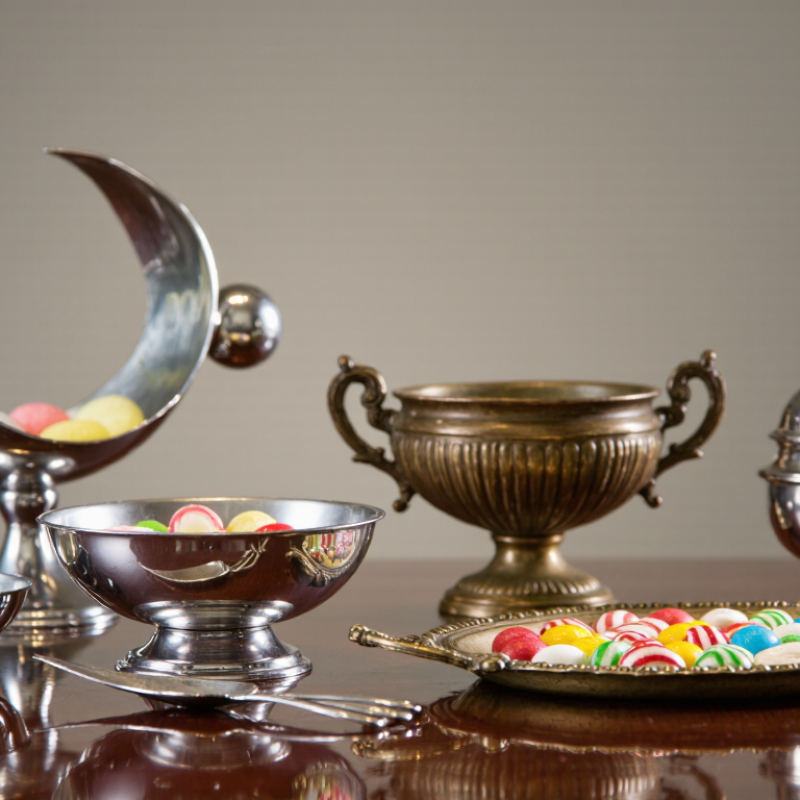
2026 Top Decorative Metal Candy Dish Types for Global Buyers

Defining Decorative Metal Candy Dishes and Their Main Functions

Defining Decorative Metal Candy Dishes and Their Main Functions

A decorative metal candy dish is a reusable vessel for presenting wrapped sweets, chocolates, or small treats. It combines food presentation with interior decoration. Unlike plain storage bowls, it contributes shape, texture, and visual focus to a table. Common types include open bowls, lidded dishes, pedestal designs, divided trays, and pierced containers. A pedestal dish creates height beside coffee cups. A divided tray separates flavors or colors. Pierced designs add shadows and airflow.

Not merely storage.

The global tableware market provides useful context for international buyers. Grand View Research estimated its value at about US$42.5 billion in 2023, with continued growth forecast through 2030. IMARC Group reported a broader 2023 estimate of approximately US$44.6 billion. These figures cover many tableware products, not candy dishes alone. Still, they show strong demand for functional objects with decorative appeal. A candy dish can serve guests, organize portions, support hospitality settings, and create a gift-ready presentation.

Material choice affects daily performance.

Stainless steel offers strong corrosion resistance and simple cleaning. Aluminum feels lighter, while brass and iron can provide a warmer visual character. Buyers should request food-contact documentation, coating details, dimensions, and packaging tests. A dish may look premium yet wobble on a polished surface. That weakness matters. I would not treat one market forecast as a buying rule. Finish quality, stable construction, and safe contact surfaces deserve equal attention. Even small scratches can change the product’s perceived value.

Classifying Candy Dishes by Metal, Finish, Shape, and Decorative Style

For 2026 sourcing, metal is the clearest starting point for classifying decorative candy dishes. Stainless steel offers strong corrosion resistance and easy daily care. Aluminum is lighter and suits large display pieces. Brass creates a warm, traditional appearance, but buyers should check whether a food-safe lining is included. Silver-toned alloys can look refined, yet surface composition and maintenance requirements vary. Details matter.

Finish changes both appearance and handling. Polished surfaces reflect light and make colorful sweets look brighter, but fingerprints appear quickly. Brushed finishes hide small marks and suit busy hospitality settings. Hammered textures add handmade character, although deep grooves may complicate cleaning. Painted or powder-coated finishes provide stronger color choices, but suppliers should provide coating and food-contact documentation when needed. A sample inspection remains sensible.

Shape should match the display purpose and serving routine. Round dishes encourage shared access, while oval forms fit narrow counters. Tiered designs save space, but their balance deserves careful testing. Lidded dishes protect contents from dust during events. Decorative style then defines the emotional effect: minimalist lines suit modern interiors, botanical details create a softer setting, and geometric patterns feel more contemporary. Vintage-inspired relief can be attractive, though excessive ornament may reduce practical capacity. I have found that buyers sometimes prioritize photographs over weight, edge safety, and cleaning time. That choice can create avoidable costs.

Comparing Popular Candy Dish Types for Different Global Markets

Decorative metal candy dishes are moving beyond simple serving ware in 2026. Global buyers now compare design, hygiene, durability, and cultural preferences before ordering. In North America, wide bowls with polished interiors suit family rooms, offices, and seasonal displays. Buyers often prefer heavier bases, because frequent handling can cause tipping. Practical details matter.

European markets commonly favor restrained shapes, brushed finishes, and recyclable metal options. Smaller dishes may fit compact dining tables and boutique hospitality settings. In the Middle East, ornate patterns, warm gold tones, and generous serving sizes can support formal guest areas. However, overly bright finishes may not suit every interior. Local testing remains important.

Asian markets show strong interest in compact designs, stackable forms, and gift-ready presentation. Silver, black, and soft brass finishes can work well in modern apartments. In humid regions, buyers should examine coating quality, weld points, and corrosion resistance. Ask for food-contact documentation when the dish will touch unpackaged candy. This is not optional.

Experienced purchasers should also inspect rim smoothness, base protection, and cleaning instructions. Thin metal may reduce shipping weight, yet it can dent during handling. I have seen attractive samples lose value because their feet scratched polished furniture. That detail is easy to miss. Buyers should test realistic candy loads, not empty displays. Preferences overlap, but they are never identical.

Evaluating Size, Durability, Safety, and Maintenance Requirements

For 2026 buyers, a decorative metal candy dish should balance appearance with daily handling. I would not pretend one size fits every market. A 12–18 cm diameter dish suits reception desks, while larger 25–30 cm models serve hotel counters. Deeper bowls reduce spills but make cleaning slower. Grand View Research valued the global confectionery market at about USD 251.98 billion in 2023, showing why small serving accessories deserve consistent quality control.

Durability depends on metal thickness, stable feet, and resistance to dents. Stainless steel usually performs well in humid environments, but thin sheets can flex under pressure. The FDA Food Code 2022 requires food-contact surfaces to be smooth, corrosion-resistant, and easily cleanable. That principle matters for decorative dishes, even when wrappers separate candy from the surface. Avoid sharp rims, loose plating, and textured interiors that trap sugar dust. A polished finish looks attractive. It can also hide fine scratches.

Maintenance should be practical for hotel staff and household users. The WHO estimates that contaminated food causes about 600 million illnesses globally each year, although a candy dish is only one small contact point. Washable construction still reduces avoidable residue and hand-contact buildup. Recommend warm water, mild detergent, and complete drying after cleaning. Abrasive powders may damage plating. Some suppliers claim dishwasher safety without testing every finish. Buyers should request documented cleaning trials, coating information, and food-contact test results. That extra check may feel slow, but decorative appearance alone is weak evidence.

Selecting the Right Decorative Metal Candy Dish for Buyers and Retailers

Selecting the Right Decorative Metal Candy Dish for Buyers and Retailers

Decorative metal candy dishes combine presentation with everyday function. Buyers should compare stainless steel, aluminum, brass, and plated finishes. Stainless steel suits busy retail environments because it resists stains and frequent cleaning. Aluminum offers lighter handling and lower shipping weight. Brass creates a warmer, premium appearance, but it may require more care. Check the inner surface carefully. A charming exterior cannot compensate for rough edges, peeling finishes, or unstable feet.

Retailers should match the dish with its selling environment. A compact bowl works well beside checkout counters. A larger, lidded design suits hotels, reception areas, and gift displays. Measure shelf depth before placing bulk orders. Ask suppliers for material details, coating information, food-contact documentation, carton dimensions, and sample approval. Small details matter. A sample may look excellent, yet its hinge, base, or protective packaging can disappoint during shipment. This is where product evaluation sometimes needs a second review.

Tips: Test the lid with one hand. Inspect welds under bright light. Weigh the packed unit, not only the dish. Confirm cleaning instructions in clear English. Avoid designs with narrow decorative gaps, where sugar dust collects. Request color consistency across production batches. It is also wise to order a modest trial quantity before committing to seasonal inventory. That approach costs more initially, but it can reveal problems before customer returns begin.

2026 Top Decorative Metal Candy Dish Types for Global Buyers

Selecting the Right Decorative Metal Candy Dish for Buyers and Retailers

How to read this chart: Material density is shown in grams per cubic centimeter and is a practical reference for estimating product weight, shipping cost, handling, and perceived quality. Aluminum is the lightest option, while copper and stainless steel provide a heavier premium feel. Brass offers a balanced combination of decorative appearance and moderate weight. Actual dish weight varies with dimensions, wall thickness, liners, coatings, and decorative details.

FAQS

What is a decorative metal candy dish?

It is a reusable vessel for wrapped sweets, chocolates, or small treats. It also decorates a table. Not merely storage.

What designs are commonly available?

Common designs include open bowls, lidded dishes, pedestal models, divided trays, and pierced containers. A pedestal adds height. Divided trays separate colors or flavors.

Which metal suits frequent daily use?

Stainless steel usually handles moisture, stains, and repeated cleaning well. Aluminum feels lighter. Brass offers warmth but may need more care.

What size works for different settings?

A 12–18 centimeter dish suits reception desks and small counters. Larger 25–30 centimeter models fit hotel counters or shared displays.

What safety details should buyers inspect?

Request food-contact documents, coating details, and clear cleaning instructions. Check for smooth interiors, safe rims, stable feet, and corrosion resistance.

How should the dish be cleaned?

Use warm water and mild detergent. Dry it completely afterward. Avoid abrasive powders. Some finishes need extra care.

What should retailers check before placing a bulk order?

Measure shelf depth, carton dimensions, and packed weight. Request a production sample. Inspect welds under bright light.

Why is a trial order useful?

A small trial can reveal loose hinges, unstable bases, scratches, or weak packaging. A sample can mislead. Review it twice.

Conclusion

This guide to the 2026 Decorative Metal Candy Dish market explains how these functional yet ornamental containers enhance candy presentation in homes, hospitality settings, gift shops, and retail displays. It defines their primary uses and classifies them by metal type, surface finish, shape, and decorative style, from polished and brushed surfaces to engraved, textured, minimalist, and vintage-inspired designs. These distinctions help global buyers understand how appearance, material, and craftsmanship influence product positioning.

The article also compares candy dish types suited to different markets, considering regional preferences for size, color, decoration, and practical use. It highlights essential purchasing factors, including capacity, stability, durability, food-contact safety, corrosion resistance, cleaning requirements, and packaging needs. By balancing visual appeal with reliable construction and easy maintenance, buyers and retailers can select a Decorative Metal Candy Dish that meets customer expectations, supports effective merchandising, and offers lasting value across diverse sales channels.

Isabella

Isabella

Isabella is a highly experienced marketing professional dedicated to helping customers better understand practical solutions, emerging trends, and the value of reliable products. With a strong understanding of the company’s offerings, she combines market insight, product knowledge, and clear......