
Technical Whitepaper
New Zealand B2B Procurement Whitepaper: Commercial Electric Tea Urns & Liquid Boiling Systems
A authoritative evaluation of China's top OEM/ODM manufacturing infrastructure, compliance standards, metallurgical choices, and application dynamics for New Zealand commercial operations.
Engineering & Heating Efficiency
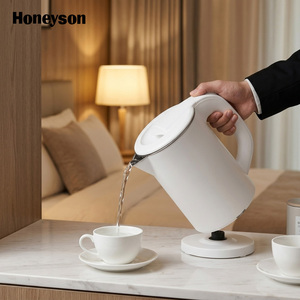
Concealed flat-plate heating technology reducing mineral scale buildup, paired with dual-stage PID thermal management to minimize energy consumption in 230V/50Hz grids.
AS/NZS & WorkSafe Regulatory Safety
Full compliance with AS/NZS 60335.2.15 safety mandates, including dual dry-boil safety cutoffs, heavy-duty earth bonding, and Type I New Zealand 3-pin plugs.
AISI 304 & 316 Austenitic Steel
Non-reactive, corrosion-resistant food-grade stainless steel construction. Impervious to organic tea tannins, acidic beverages, and hard water minerals found across regional NZ.
1. Executive Summary & Market Intent Landscape in New Zealand
The commercial hospitality, catering, corporate, and agricultural sectors in New Zealand present unique operational demands for liquid heating systems. From high-turnover coffee shops in Auckland CBD to Marae community catering hubs, school halls, and staff canteens across the Waikato agricultural basin, the requirement for continuous, safe, and energy-efficient boiling water is paramount. As New Zealand accelerates its transition away from fossil-fuel commercial catering gear toward electrified kitchen infrastructure, demand for high-capacity, high-reliability commercial electric tea urns and water boilers manufactured in China has experienced unprecedented growth.
However, importing electrical appliances into New Zealand requires navigating stringent regulatory frameworks established by WorkSafe NZ and Electrical Safety New Zealand (ESS). Importers, wholesale distributors, and commercial facility procurement managers must balance capital expenditure (CAPEX), operational durability, thermal efficiency, and electrical safety standards (AS/NZS 60335). This whitepaper provides a comprehensive evaluation of top China manufacturing partners, OEM export capabilities, metallurgical science, and practical deployment considerations tailored specifically for the New Zealand market.
2. Regulatory Compliance & Electrical Safety Engineering for NZ Imports
A primary friction point for New Zealand importers purchasing directly from Chinese OEMs is ensuring total electrical compliance. Unlike generic domestic kettles, commercial tea urns operate continuously under high thermal stress and elevated amp draw on 230V / 50Hz single-phase or 415V three-phase electrical networks.
2.1 AS/NZS 60335.2.15 Standard Specifics
In accordance with New Zealand Electricity (Safety) Regulations, commercial water boilers fall under the scope of "Declared Articles" or high-risk/medium-risk equipment needing formal Supplier Declarations of Conformity (SDoC). Essential technical benchmarks include:
- Creepage and Clearance Distances: Internal wiring and PCB control boards must maintain strict electrical isolation to prevent arcing caused by internal steam condensation.
- Dual-Stage Thermal Overload Protection: Chinese export-grade urns certified for NZ feature primary digital thermostat controls backed by an independent, non-self-resetting mechanical bi-metal thermal cut-out to prevent catastrophic overheating if boiled dry.
- Earth Continuity and Bonding: Given the conductive nature of stainless steel vessels, ground resistance must remain below 0.1 ohms, tested at a minimum 25A test current.
- Plug Configuration: Factory-fitted AS/NZS 3112 compliant 3-pin plugs (10A for units under 2400W, 15A with larger earth pin for 2400W–3600W units).
| Feature Parameter | Standard Export Grade (Generic) | China Premium Export Grade (NZ Compliant) | Impact on NZ Commercial Buyer |
|---|---|---|---|
| Inner Vessel Alloy | 201 Stainless Steel (High Manganese) | AISI 304 or 316 Food-Grade Stainless Steel | Prevents pitting corrosion, rust formation, and metallic off-tastes in water. |
| Heating Element Design | Exposed Spiral Submerged Element | Concealed Flat-Plate Bottom Heater | Prevents limescale buildup, drastically simplifies cleaning, extends element life. |
| Thermal Insulation | Single Wall SS (High Heat Loss) | Double Wall Vacuum / Polyurethane Insulation | Reduces standby power loss by up to 38%, keeping exterior cool-to-touch. |
| Tap/Faucet Construction | Lightweight ABS Plastic Tap | Heavy-Duty Brass Core & Polished SS Dispenser | Eliminates leaks; rated for >150,000 continuous manual actuations without fatigue. |
| Electrical Certification | Generic CE (European Standard) | AS/NZS 60335 + RCM (Regulatory Compliance Mark) | Guarantees legal compliance for commercial operation and insurance validity in NZ. |
3. Metallurgical & Thermodynamics Analysis: 304 vs. 316 Stainless Steel
Water chemistry varies significantly across New Zealand regions. While Auckland municipal supply is relatively soft, regional areas in the South Island (such as Canterbury) and geothermal regions in the North Island (Rotorua, Taupō) exhibit high mineral hardness, silica content, or trace sulfur. Understanding metal selection is critical to ensuring product longevity.
Leading Chinese manufacturing conglomerates—such as BOHARA Group—utilize cold-rolled high-purity austenitic stainless steel sheets to craft seamless drawn water inner tanks. The choice between AISI 304 and AISI 316 lies in chemical composition:
- AISI 304 Stainless Steel (18/8): Containing 18% Chromium and 8% Nickel, this alloy is the gold standard for standard commercial catering. It offers excellent resistance to atmospheric corrosion and organic acids found in brewed tea and coffee.
- AISI 316 Stainless Steel (18/10/2): Fortified with 2% Molybdenum, Grade 316 provides superior protection against chloride pitting corrosion and hard water mineral deposits. For NZ coastal commercial facilities or regions utilizing un-softened bore water, 316-grade heating chambers eliminate premature pitting failure.
Industrial Manufacturing & Metallurgical Craftsmanship
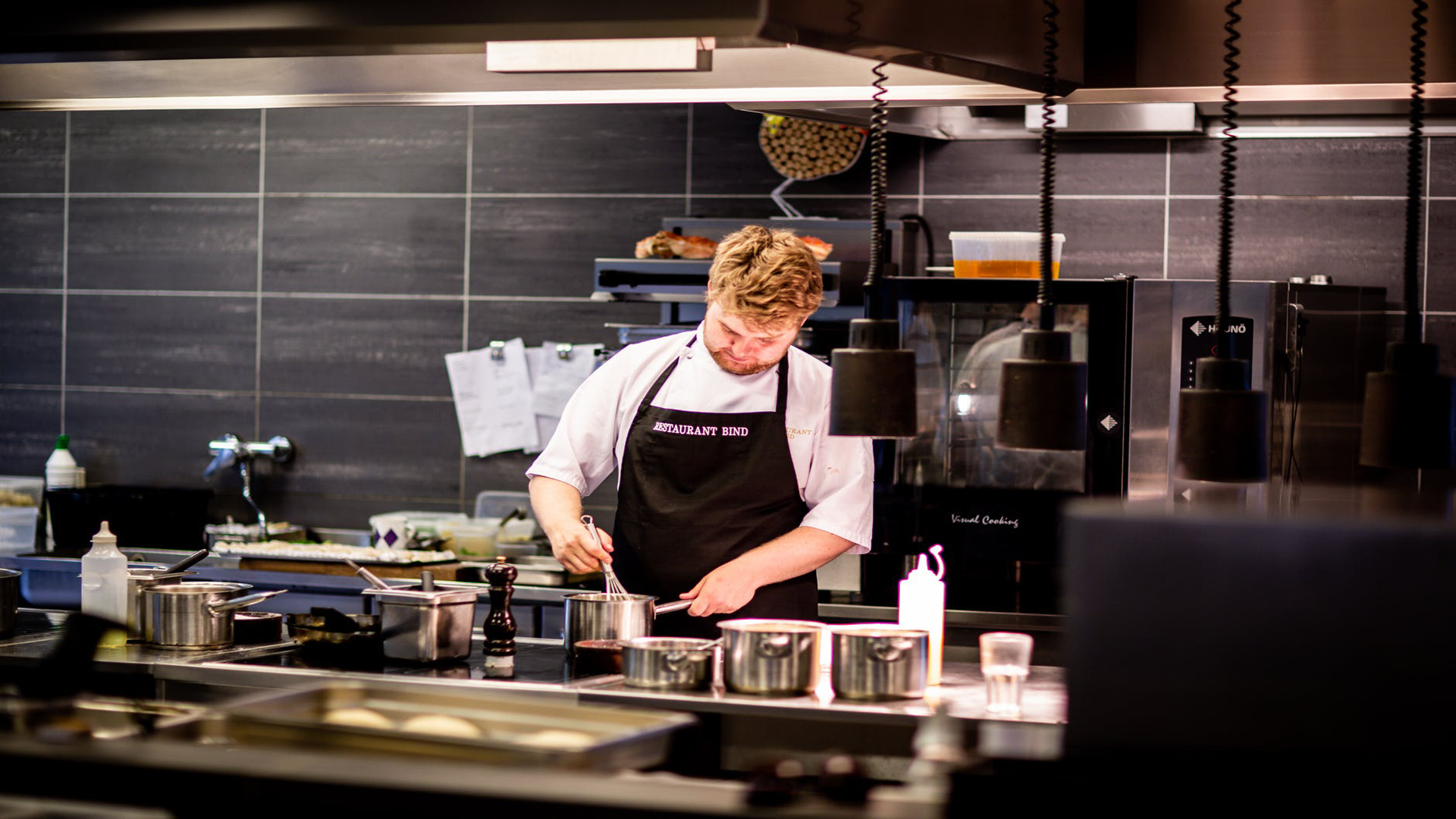
Top China OEM factories leverage state-of-the-art automated robotic laser welding, multi-stage deep-drawing hydraulic presses, and automatic passivating treatments to eliminate micro-burrs where bacteria or corrosion could take root.
4. Strategic Application Scenarios Across New Zealand Sector Landscapes
The versatility of commercial electric tea urns, water boilers, and combi-heating units enables seamless deployment across diverse New Zealand commercial landscapes. Below are four key buyer intent scenarios where custom features add substantial operational value:
4.1 Commercial Hospitality, Cafes & Hotel Breakfast Buffets
In high-end Auckland or Queenstown hotels, aesthetic design must match operational functionality. Urns with mirror-polished gold or chrome electroplated stainless steel exteriors, subtle water level sight-glasses, and anti-drip brass spigots allow guests to self-serve tea and hot water safely. Double-wall cool-touch designs prevent accidental burns, fulfilling local Health and Safety at Work Act (HSWA) guidelines.
4.2 Marae Community Facilities & Regional Events Catering
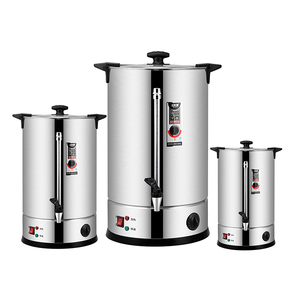
Marae catering infrastructure demands massive hot water capacity during hui and community gatherings. Large-capacity urns (20L to 30L+) equipped with high-wattage (3000W) fast-recovery heating elements ensure continuous supply of boiling water for hundreds of cups of tea. Heavy-duty ergonomic stainless steel carrying handles and twist-lock safety lids ensure safe transportation between kitchen prep areas and dining halls.
4.3 Agricultural, Dairy Farm & Industrial Staff Canteens
Early morning milking shifts on Waikato dairy farms or fruit harvesting operations in Hawke's Bay demand ruggedized equipment. Industrial small electric boilers and heavy-duty 15L urns with mechanical thermostats handle rugged daily abuse, fluctuating rural voltage, and continuous boiling cycles without electronic component fatigue.
4.4 Corporate Offices, Schools & Healthcare Institutions
Institutional facilities prioritize energy efficiency and safety locks. Chinese manufacturers serving this sector integrate digital NTC thermistor temperature sensors, enabling precise temperature holding (e.g., 92°C for optimal tea extraction, 85°C for green tea, or 100°C boiling) which prevents unnecessary continuous re-boiling and significantly lowers annual kWh power consumption.
5. Enterprise Manufacturing Advantages: Why Partnering with Top China Exporters Delivers Competitive Edge
When New Zealand importers partner directly with established Chinese manufacturing groups—such as BOHARA Group (leveraging over 50 years of heritage since 1974)—they tap into an unparalleled ecosystem of production scale, engineering innovation, and supply chain reliability.
Deep OEM / ODM Customization
From custom laser-etched brand logos and specialized color finishes (Matt Black, Brushed Gold, Copper) to tailored wattage elements suited specifically for NZ voltage grids.
Streamlined Direct Sea Freight
Established shipping routes from Ningbo, Shanghai, or Shenzhen directly to Port of Auckland, Tauranga, and Lyttelton (Christchurch), minimizing transit lead times and port demurrage risks.
100% Quality Inspection Protocol
Every unit undergoes high-voltage dielectric breakdown testing, earth resistance verification, pressure leak checks, and 24-hour continuous burn-in testing prior to container packing.
6. Frequently Asked Questions (FAQ) for New Zealand Importers & Buyers
Q1: Are your commercial tea urns fully certified to comply with WorkSafe New Zealand electrical standards?
Yes. All commercial water boilers and urns manufactured for the New Zealand export market comply with AS/NZS 60335.1 and AS/NZS 60335.2.15 safety standards. Units come fitted with AS/NZS 3112 compliant 3-pin plugs, earth-bonded stainless steel chassis, and Supplier Declarations of Conformity (SDoC) documentation required for legal distribution in NZ.
Q2: What is the recommended stainless steel grade for Christchurch or regional NZ areas with hard water?
While standard AISI 304 food-grade stainless steel works exceptionally well for municipal treated water, we recommend selecting inner vessels constructed from AISI 316 grade stainless steel with concealed heating elements for regions with high mineral content. Concealed heating elements prevent scale from baking onto element coils, making descaling maintenance fast and effortless.
Q3: Can we request custom brand labeling, customized packaging, and specific wattage options for NZ distribution?
Absolutely. As a top China OEM/ODM factory partner, we provide comprehensive private label services. This includes custom laser-engraved brand logos, bespoke color box packaging in English/Māori if required, custom user instruction manuals, and tailored heating element power outputs (e.g., 1500W, 2000W, 2400W, or 3000W) matched precisely to your target commercial sector.
Q4: What is the typical Minimum Order Quantity (MOQ) and shipping lead time to Auckland or Tauranga ports?
Standard OEM production minimum order quantities start at 200 to 500 units depending on customization requirements. Production lead time typically ranges between 20 to 30 days after sample sign-off. Ocean freight transit from major China ports (Ningbo/Shanghai/Shenzhen) to Auckland or Tauranga takes approximately 14 to 21 days.
Q5: How do double-wall insulated urns compare with single-wall urns in terms of energy cost savings in NZ?
Double-wall insulated tea urns utilize an encapsulated thermal air or foam barrier between the inner 304 stainless steel liner and outer wall. Testing indicates double-wall construction reduces surface thermal radiation losses by up to 38%. For a commercial cafe operating 12 hours daily under New Zealand commercial electricity rates (~$0.28 to $0.35/kWh), double-wall urns can yield operational power savings of $150 to $280 NZD per unit annually.