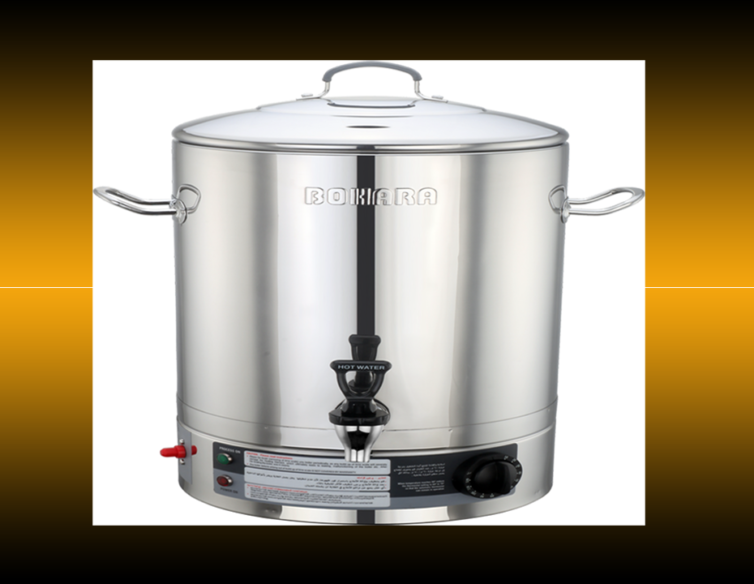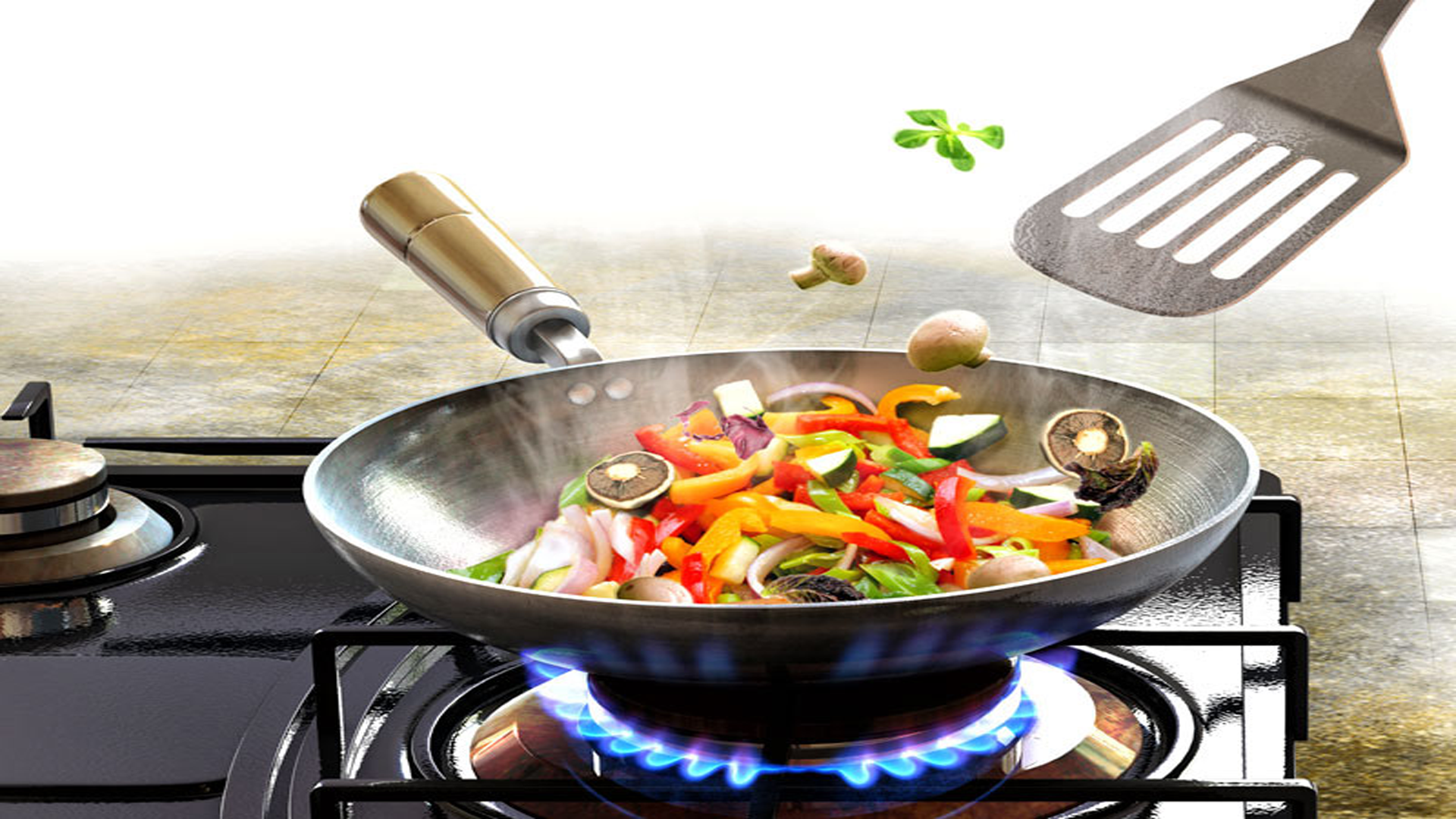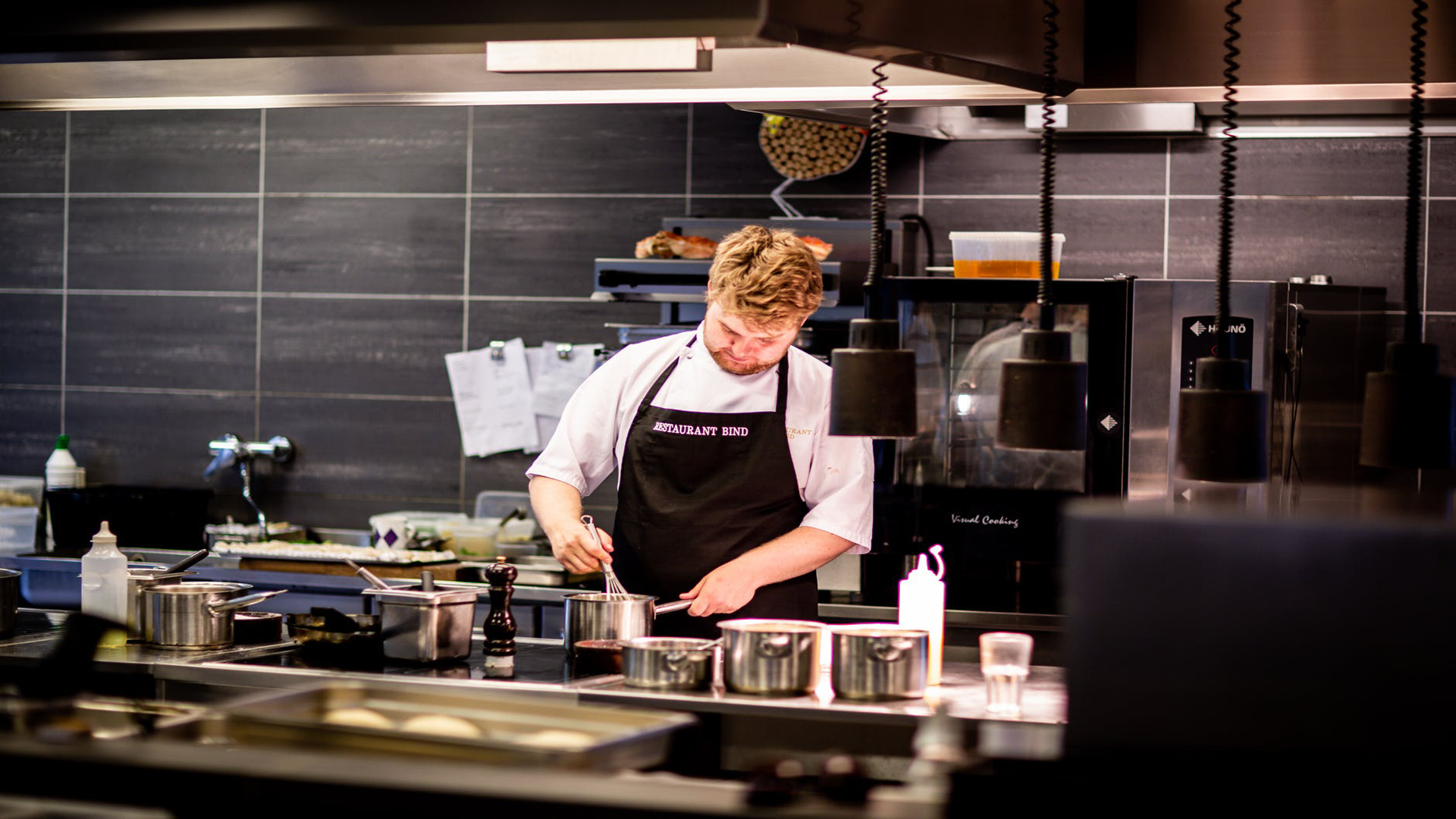
Designed for heavy-duty institutional kitchens, hospitality chains, and wholesale distributors in Central Asia. All units adhere to rigorous international thermal retention and food-grade metallurgical standards.



Kazakhstan stands as the economic anchor of Central Asia. Driven by rapid urbanization in primary trade hubs like Almaty, Astana, Shymkent, and Karaganda, the regional hospitality (HoReCa) sector and domestic kitchenware retail landscape are undergoing unprecedented structural modernization. Importers and commercial buyers are pivoting sharply from traditional, heavy cast-iron cookware toward high-grade, AISI 304 food-grade stainless steel Kadahis equipped with tempered glass lids.
The rationale behind this commercial transition is deeply rooted in culinary functionality, sanitation regulations, and energy efficiency. Central Asian regional cuisine—characterized by rich, slow-simmered dishes such as Beshbarmak, Plov, Lagman, and Kuurdak—demands cookware capable of uniform heat distribution, rapid thermal recovery, and resistance to acidic food degradation. Traditional carbon steel or low-tier aluminum pans fail to maintain thermal stability on modern induction lines and risk chemical leaching when acidic stocks are held for extended durations.
Kazakhstan Customs & Transit Corridors: As a key sovereign nation within the Eurasian Economic Union (EAEU), products entering Kazakhstan benefit from harmonized technical regulations (EAC marking). BOHARA Group utilizes optimized multi-modal freight routes—including direct rail freight via the Khorgos dry port and maritime-to-rail transshipment via Aktau Port—ensuring direct, tariff-efficient delivery from our primary production hubs to major Kazakh warehousing terminals.
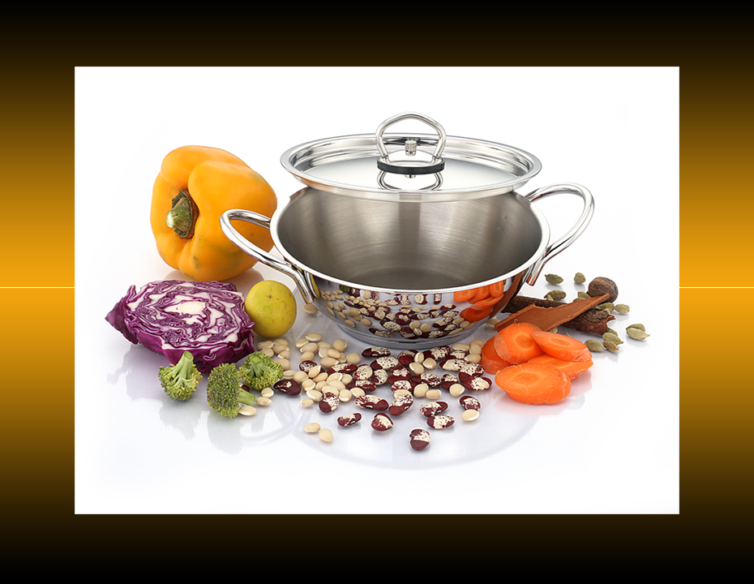

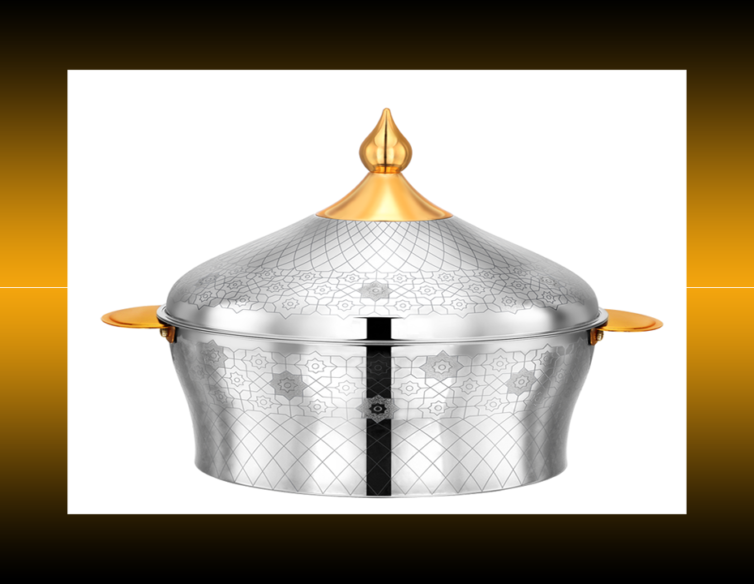
To withstand the continuous operational stress of commercial kitchens, BOHARA Group employs precision deep-drawing metallurgical techniques. The construction of our Stainless Steel Kadahis with Tempered Glass Lids represents a convergence of heavy-gauge materials science and ergonomic engineering.
Single-layer steel pans often suffer from severe thermal localized hot-spots, causing food scorching. BOHARA Kadahis feature an Impact-Bonded Encapsulated Base consisting of an aluminum core (pure 1050 grade) sandwiched between an interior layer of food-grade 18/10 Stainless Steel (AISI 304) and an exterior layer of magnetic stainless steel (AISI 430). This configuration achieves a thermal conductivity increase of over 400% compared to standard single-ply steel, enabling full compatibility with gas ranges, electric hotplates, ceramic glass tops, and high-wattage commercial induction cookers prevalent in modern Almaty restaurants.
The inclusion of a high-tensile tempered glass lid with a 304-grade stainless steel rim offers clear operational advantages for Kazakh chefs. The thermal shock resistance rating of the glass exceeds ΔT 220°C, preventing thermal fracture during rapid cooling. Integrated precision steam-vent holes regulate internal pressure buildup, maintaining moisture equilibrium for slow-cooked stews without allowing boil-overs.
| Feature / Metric | BOHARA Tri-Ply Kadahi with Glass Lid | Standard Single-Layer SS Pan | Traditional Cast Iron Wok |
|---|---|---|---|
| Material Grade | AISI 304 (18/10) Food Contact Inner Layer | AISI 201 or Recycled Low-Grade Steel | Raw Porous Gray Cast Iron |
| Induction Efficiency | 98% (AISI 430 Magnetic Base Plate) | Low to Moderate (Inconsistent) | High, but sluggish response |
| Thermal Shock Tolerance | Up to 260°C Pan Body / 220°C Glass Lid | Prone to Bottom Warping | High risk of cracking if flash cooled |
| Sanitation & Cleaning | Non-porous, Dishwasher Safe, Acid Resistant | Stains easily, structural pitting | Requires oil seasoning, rust prone |
| Kazakhstan Commercial Fit | Ideal for High-Volume HORECA & Retail | Low-cost short-lifecycle domestic | Traditional niche use only |
The versatile geometry of the Kadahi—featuring broad sloping sides and a deep concave basin—serves multiple distinct market segments within Kazakhstan:
Major hotels and traditional dining venues in Astana and Almaty require heavy-gauge cooking vessels that can transition directly from high-flame kitchens to buffet display stations. The polished mirror finish and heat-resistant riveted hollow handles provide an elevated aesthetic while preserving ergonomic safety during rapid table service.
Large-scale houseware distributors selling through major retail networks like Magnum Cash & Carry or wholesale distribution centers in Shymkent and Barakholka (Almaty) demand retail-ready packaging with multi-lingual labelling (Kazakh, Russian, English). BOHARA supports custom color boxes, barcode integration, and protective shrink wrapping.
Industrial catering operators serving mining camps in Karaganda and oil field installations in Atyrau & Aktau rely on BOHARA's ultra-durable riveted construction. Handles withstand over 150 kg of shear stress force without detachment, ensuring maximum safety in continuous heavy-duty environments.
Founded in 1974 by Shri J. Bhawarlal Bohara, BOHARA Group has grown from a specialized metal processing unit into an international powerhouse in stainless steel houseware, cookware, and catering equipment manufacturing. Under the strategic direction of Managing Director Mr. Rakesh Bohara and international expansion led by Mr. Vijayraj Bohara, the organization has consistently operated on principles of metallurgical purity, manufacturing precision, and absolute contract fidelity.


Our automated manufacturing facilities integrate heavy-tonnage hydraulic presses, multi-axis CNC trimming machinery, laser welding apparatus, and automated mechanical polishing lines. Every unit undergoes rigorous 5-stage quality assurance: