

Executive Summary: Sourcing from Top Trusted Commercial Stainless Steel Stock Pot Factories
In the global commercial foodservice, hotel catering, and industrial food processing sectors, stock pots represent the core workhorse of thermal liquid preparation. Procuring high-performance stock pots and liquid heating vessels from accredited factory direct sources is critical for maintaining food safety standards, operational energy efficiency, and long-term cost of ownership (TCO). Procurement directors, OEM distributors, and commercial kitchen outfitters face evolving challenges: rising energy costs, aggressive sanitation protocols, and the demand for induction-ready multi-layer thermal bases.
This comprehensive whitepaper explores the critical engineering parameters, metallurgical selection criteria, thermal dynamics, and manufacturing processes that separate top-tier commercial stock pot factories from low-grade suppliers. Drawing upon 50+ years of industrial steel fabrication experience from the BOHARA Group (Established 1974), this document establishes a definitive benchmark for international B2B buyers seeking reliable, high-volume production partners.
Key Procurement Takeaway: Commercial stock pots operating in continuous high-volume environments require minimum 304-grade (18/8) food-grade stainless steel with impact-bonded encapsulated aluminum core bases to prevent scorching, localized hot spots, and structural thermal warping under high BTU output.
Metallurgical Engineering: Material Selection for Commercial Stock Pots
The longevity and chemical resistance of a stock pot depend fundamentally on its chemical alloy composition. Commercial kitchens expose cookware to extreme thermal cycling, acidic broths, heavy saline concentrations, and harsh alkaline dishwashing chemicals. Understanding standard steel grades is the first step in auditing a manufacturing factory.
1. AISI 304 Stainless Steel (18/8 Austenitic Steel)
Containing 18% Chromium and 8% Nickel, 304 stainless steel is the non-negotiable standard for internal vessel walls. Chromium forms a self-healing chromium oxide passive film that shields against atmospheric oxidation and liquid corrosion. Nickel maintains the ductile austenitic crystal structure, allowing deep-drawing manufacturing without micro-cracking while ensuring immunity to food acid pitting (pH 2.0 to 11.0).
2. AISI 316 Stainless Steel (18/10 Marine-Grade Steel)
For heavy industrial boiling operations handling hyper-saline stocks, sauces, or aggressive steam condensation, 316-grade steel incorporates 2% to 3% Molybdenum. Molybdenum dramatically increases resistance to chloride pitting corrosion, making it the material of choice for high-end medical, pharmaceutical, and high-salinity industrial soup kettles.
3. AISI 430 Stainless Steel (18/0 Ferritic Steel)
Because 304-grade steel is non-magnetic, it cannot natively trigger magnetic induction cooktops. Leading factories solve this by impact-bonding a exterior disc of 430 ferritic stainless steel to the pot bottom. 430 steel contains high magnetic permeability, allowing rapid energy transfer from commercial induction hobs directly into the aluminum thermal core.
Impact-Bonded Base
Applied under 2,500+ tons of hydraulic force at 500°C, fusing aluminum cores between steel layers without air pockets for zero delamination risk.
Induction Universal
Tri-ply and encapsulated 430 steel bottoms ensure full compatibility across high-BTU gas, electric coil, ceramic, and magnetic induction ranges.
Sanitary Welded Handles
Heavy-duty ergonomic tubular handles attached via multi-point capacitive discharge spot welds or solid SS rivets to sustain 150kg+ dynamic loads.
Base Engineering: Eliminating Hot Spots with Tri-Ply & Encapsulated Bottoms
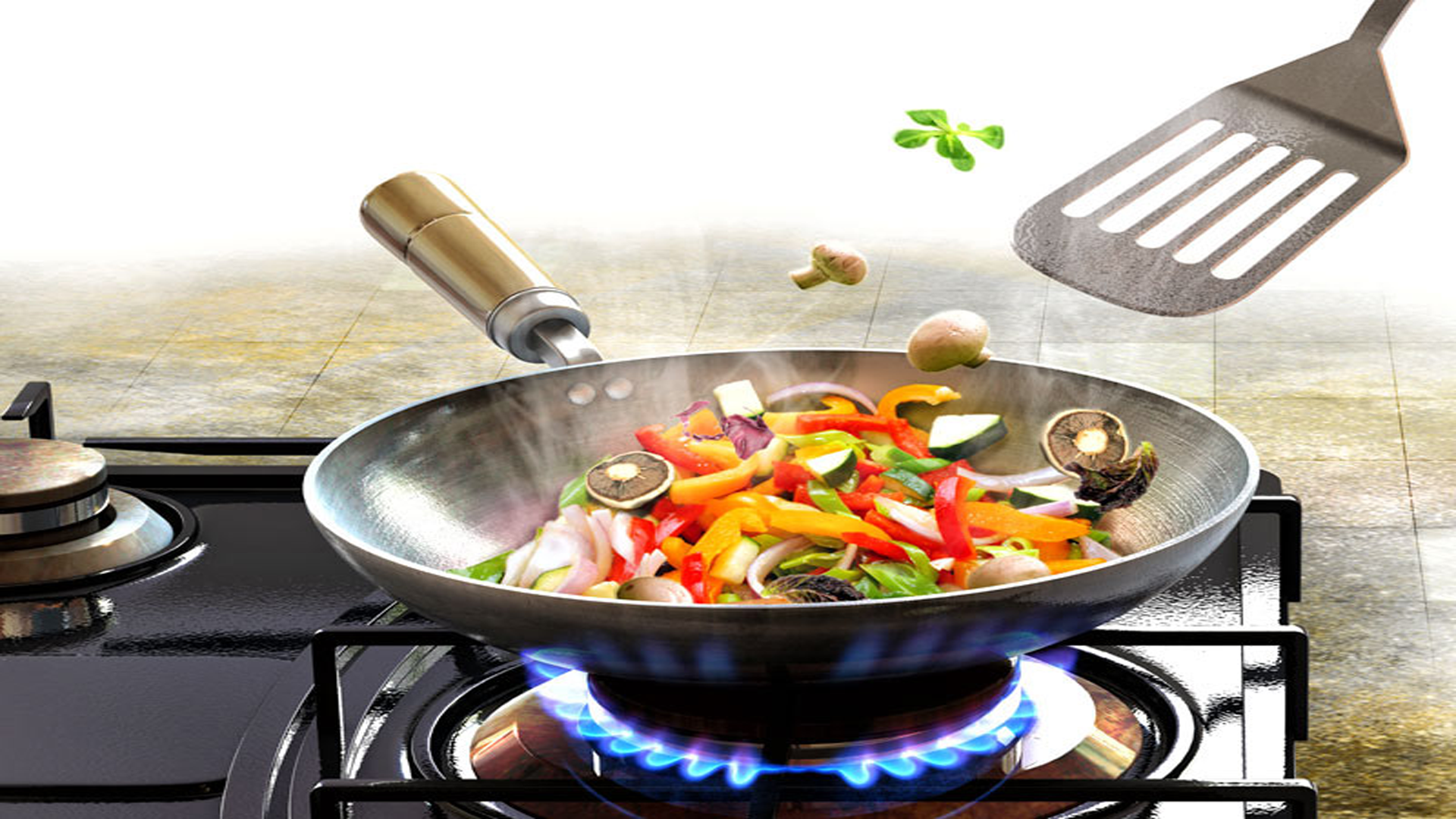
Pure stainless steel exhibits relatively poor thermal conductivity (~16 W/m·K compared to copper's 401 W/m·K and aluminum's 237 W/m·K). If soup stock is heated in a plain single-layer stainless pot over a concentrated 30,000 BTU burner, the thermal energy concentrates directly above the flame, scorching delicate broths and warping the vessel base.
Top commercial stock pot manufacturers implement two primary advanced base construction techniques to achieve uniform heat diffusion:
A. Encapsulated Sandwich Bottoms (Impact Bonding)
An aluminum core disc (typically 4.0mm to 7.0mm thick) is placed on the exterior bottom of the deep-drawn 304 stainless steel pot body, covered by a protective 430 stainless steel cap. The assembly passes through a high-frequency induction heating tunnel and enters a massive friction press operating at up to 3,000 metric tons of pressure. The aluminum liquefies micro-structurally, filling all microscopic voids between the steel layers. This eliminates internal air gaps that cause hot spots and premature base separation.
B. Clad Tri-Ply Full Body Construction
In Tri-Ply clad stock pots, the three metal layers extend continuously from the base up through the top rim. The vessel body consists of an interior 304 SS layer (for food safety), a heavy aluminum core (for heat conduction up the side walls), and an exterior magnetic 430 SS layer. Clad cookware reduces simmer times by up to 28% because heat energy radiates uniformly from the side walls as well as the bottom, creating a natural thermal convection vortex inside the liquid broth.
Commercial Stock Pot Construction Comparison Matrix
| Construction Tech | Wall Thickness | Heat Uniformity | Induction Efficiency | Warp Resistance | Best Commercial Use |
|---|---|---|---|---|---|
| Impact-Bonded Base | 0.8mm - 1.2mm (Body) | Very High | 92% | Extreme | High-volume stock boiling, soups, large catering kettles (20L - 150L) |
| Full Tri-Ply Clad | 2.5mm - 3.5mm (Full Body) | Superior (Sides + Base) | 95% | Extreme | Precision reductions, dairy sauces, high-end hotel restaurant lines |
| Single Layer SS | 1.0mm - 1.5mm | Moderate | N/A (Gas only) | Standard | Economy catering, light steaming, boiling water applications |
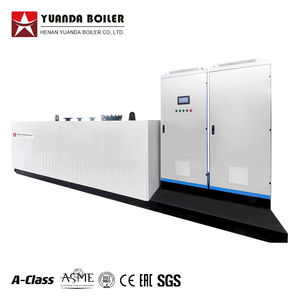
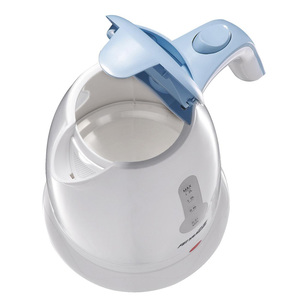
| Electric Integrated Boiler | Double-Wall Insulated | Controlled Thermostatic | Direct Electrical Element | Extreme | Buffet beverage service, continuous hot water supply, hotel catering ware |

50+ Years of Manufacturing Integrity: BOHARA Group
Founded in 1974 by Shri J. Bhawarlal Bohara and expanded under the leadership of Managing Director Mr. Rakesh Bohara, the BOHARA Group has grown into a premiere global manufacturer and exporter of heavy-duty commercial cookware, insulated hotpots, and industrial catering ware.
Operating from state-of-the-art manufacturing hubs and supplying commercial importers across 50+ countries, BOHARA integrates automated hydraulic pressing, precision laser seam welding, and rigorous spectro-graphic metallurgical testing. Every vessel conforms strictly to international food contact regulations (ISO 9001, CE, FDA standards).
Strategic Procurement Trends: Commercial Kitchens & Boiling Equipment (2025–2030)
As commercial kitchens transition toward electrification, sustainability, and automated thermal monitoring, global procurement managers must evaluate stock pot suppliers based on future-proof technological capabilities:
Decarbonization & High-Efficiency Induction
With gas bans expanding across major metropolitan dining centers, stock pot bases must feature ultra-flat 430 magnetic caps optimized for high-kilowatt commercial induction hobs, reducing thermal transfer losses below 8%.
Double-Wall Vacuum Thermal Retention
Integrating vacuum-insulated double-wall technology (seen in specialized hotpots and electric boilers) minimizes ambient heat dissipation into commercial kitchen space, lowering HVAC cooling loads by up to 15%.
Modular Electric Boiling Integration
Catering operations are replacing manual gas stock pots with integrated electric heating kettles featuring digital thermostatic control, automatic dry-boil safety shutoffs, and sanitary drain spigots for rapid discharge.
Quality Assurance Checklist: How to Audit a Commercial Stock Pot Factory
When evaluating direct OEM factory partners, commercial buyers must enforce a comprehensive Quality Control (QC) protocol before placing full container load (FCL) orders:
1. XRF Spectrometry Material Verification
Require factory suppliers to perform positive material identification (PMI) using handheld XRF analyzers on raw sheet metal. Confirm Nickel content is strictly ≥ 8.0% for 304 grade and ≥ 10.0% for 316 grade. Beware of low-cost factories substituting 201-grade manganese stainless steel, which rusts rapidly in commercial kitchens.
2. Base Impact Bonding Shear Test
Request factory destruction test reports for base bonding strength. A sectioned sample of the bottom plate must withstand high hydraulic shear forces without delaminating. Verify that no hollow acoustic resonance occurs when tapping the base surface.
3. Handle Load & Fatigue Testing
Stock pot handles must sustain static static weight testing equal to 2.5 times the full liquid capacity of the vessel (e.g., a 100L stock pot filled with water weighs 100kg; handles must support 250kg without joint distortion). Continuous cyclic fatigue testing ensures spot welds resist dynamic movement during transport across commercial kitchens.
4. Surface Polish & Sanitation (NSF Standards)
Commercial food safety regulations demand micro-smooth interior surfaces (Surface Roughness Ra < 0.4 μm) to prevent bacterial harboring. Wall-to-bottom junctions should feature smooth radius curves rather than sharp 90-degree corners, facilitating rapid mechanical sanitation.
Commercial Product Ecosystem & Application Gallery
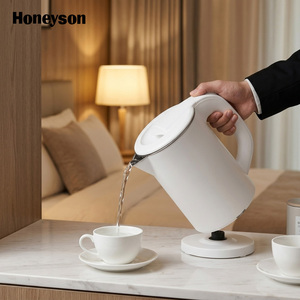
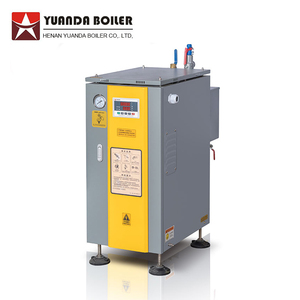
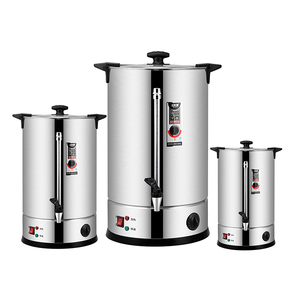
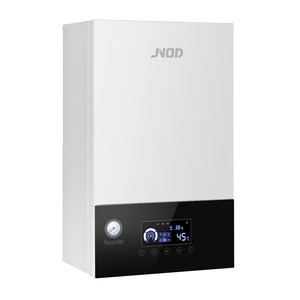
From industrial electric water boilers to heavy-duty stove-top stock pots and insulated banquet hotpots, modern commercial factories provide versatile solutions tailored for international hotel chains, catering houses, and restaurant supply networks.
Deep-Drawn SS Vessel Fabrication

Precision Polished Surface Finishing
Export Packaging & Warehouse Fulfillment
Frequently Asked Questions (FAQ) for Commercial Buyers
Answers to critical questions asked by commercial importers, hotel supply managers, and wholesale distributors when sourcing stock pots and boiling equipment direct from factory suppliers.
Q1: What is the optimal wall thickness for commercial stock pots?
For standard impact-bonded stock pots, a side wall thickness between 0.8mm and 1.2mm provides an ideal balance of structural rigidity and weight management, paired with a 4.0mm to 6.0mm aluminum bottom disc. For full tri-ply clad stock pots, a total wall thickness of 2.5mm to 3.5mm is recommended for heavy commercial kitchen lines.
Q2: Why should commercial stock pots use 304 stainless steel instead of 201 grade?
304 stainless steel contains 8% Nickel and 18% Chromium, providing superior corrosion resistance against food acids, salts, and steam moisture. 201 grade substitutes Manganese for Nickel, making it prone to severe pitting, rusting, and chemical leaching under commercial cooking conditions.
Q3: Can these commercial stock pots and boilers run on induction cooktops?
Yes. Stock pots constructed with an encapsulated magnetic 430 stainless steel bottom plate or tri-ply clad steel are 100% compatible with high-power commercial induction stoves, as well as gas, electric coil, and halogen burners.
Q4: What customized OEM/ODM options are available from your factory?
We offer complete private label branding including laser-etched capacity scale lines, custom handle designs, branded bottom stamping, custom gauge thickness, specialized lid configurations, and tailored color packaging for retail or commercial distribution.
Q5: How do electric catering boilers compare to stove-top stock pots?
Electric catering boilers integrate internal heating elements and thermostatic controls, offering precise temperature maintenance, lower energy loss, and built-in dispensing spigots—making them ideal for continuous buffet service, hot water supply, and catering events where stove burners are unavailable.
Q6: What certifications do BOHARA stainless steel cookware products possess?
Our manufacturing processes comply with ISO 9001 quality management systems. Electric boiling appliances hold CE certification, and all food-contact stainless steel materials conform to FDA and LFGB food safety guidelines.
Q7: What is the typical Minimum Order Quantity (MOQ) and production lead time?
Standard stock item MOQs start at low volumes for wholesale distributors, while custom OEM orders generally require 500 to 1,000 units per SKU. Production lead times range from 25 to 40 days depending on order complexity and container size.
Q8: How do you prevent handle failure on heavy 100L+ capacity stock pots?
Our large-capacity stock pots feature heavy-gauge tubular stainless steel handles reinforced with multi-point capacitive spot welds or heavy solid stainless steel rivets equipped with backing plates, certified for heavy dynamic lifting.
Partner with a Trusted Stainless Steel Factory Direct Supplier
Whether you require heavy-duty commercial stock pots, tri-ply saucepans, insulated hotpots, or commercial electric boilers—our team provides competitive factory direct pricing, reliable OEM production, and global shipping fulfillment.