
Knowledge & Industry Updates

BOHARA Group Blog & Insights

Latest news, expert buying guides, and technical insights on commercial stainless steel cookware and houseware manufacturing.

0%

What Are the 2026 Best Commercial Cateringware Supplies? The answer depends on more than appearance, price, or a polished product photograph. In 2026, buyers will assess durability, hygiene, energy use, replacement speed, and total operating cost. Commercial Cateringware Supplies must perform during crowded service, repeated washing, sudden temperature changes, and long storage periods.

The National Restaurant Association’s 2025 State of the Restaurant Industry Report projects U.S. restaurant and foodservice sales of approximately $1.5 trillion. That scale creates intense demand for dependable plates, trays, cookware, serving tools, storage containers, and insulated transport equipment. Meanwhile, ENERGY STAR research shows certified commercial kitchen equipment can reduce energy consumption by 10% to 50%, depending on the product category. These figures make efficiency a purchasing issue, not merely an environmental preference.

Real kitchens reveal the difference.

A pan may look strong but warp after months of thermal shock. A serving tray may feel elegant yet become slippery when wet. These details matter more than a catalogue description. Professional buyers should compare material grades, load limits, dishwasher compatibility, repair options, and supplier warranties. Food-contact safety documentation also deserves careful review.

There is no perfect universal set. A hotel buffet, school kitchen, hospital, and mobile caterer face different pressures. This guide therefore examines practical performance, verified specifications, lifecycle value, and user experience. It also questions popular assumptions, because “premium” does not always mean efficient. Some recommendations may require adjustment after field testing, which is a limitation worth admitting.
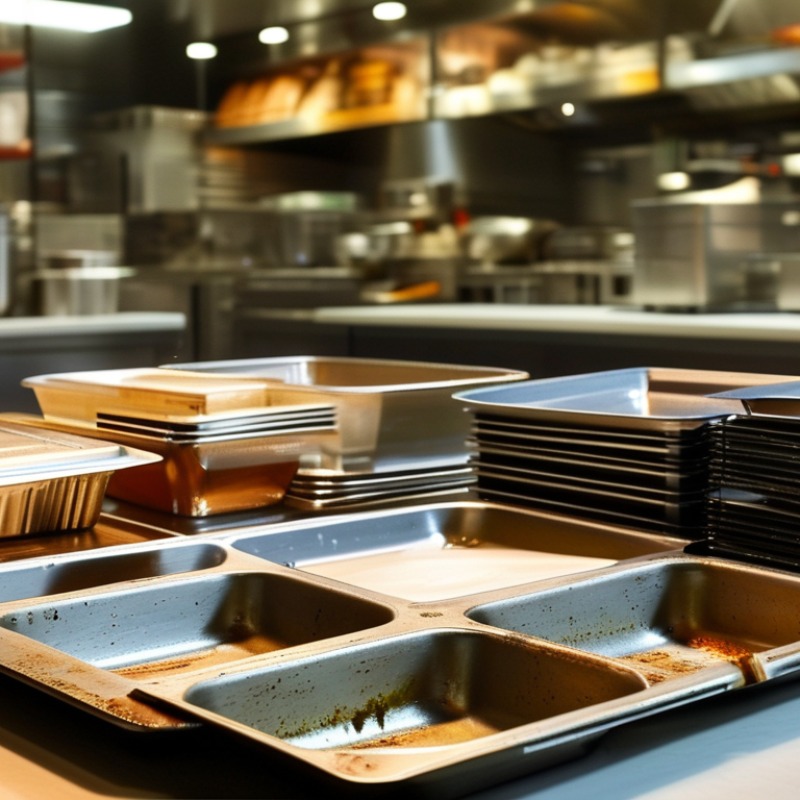
What Are the 2026 Best Commercial Cateringware Supplies?

What Commercial Cateringware Supplies Include in 2026

In 2026, commercial cateringware supplies cover more than plates and serving spoons. A working kitchen needs heat-safe cookware, induction-compatible pans, gastronorm containers, mixing bowls, ladles, tongs, and calibrated portion tools. Service areas also require durable plates, cups, cutlery, trays, beverage dispensers, and insulated carriers. During busy shifts, handles stay hot, shelves get crowded, and small design flaws become expensive.

Food storage is now a central part of the supply list. Airtight containers, stackable bins, labels, probe thermometers, and temperature logs support safer daily routines. Stainless steel remains practical for heavy use, while verified food-contact plastics can reduce weight and breakage.

Reusable transport boxes help catering teams move prepared meals without crushing delicate garnishes. I have found that clear lids save time, but they do not replace proper labeling or inspection. Details matter.

Many buyers in 2026 also assess repairability, recycled content, water efficiency, and end-of-life disposal. These details matter when hundreds of items pass through washing cycles each week. Yet sustainability claims need evidence, not attractive wording. A lighter tray may reduce lifting strain, but it can warp under high heat.

The best specification depends on menu, volume, storage space, cleaning equipment, and staff habits. My own checklist is still imperfect; I sometimes prioritize durability and overlook nesting space. That mistake can disrupt an entire service station.

How to Compare Cateringware Materials, Durability, and Safety

What Are the 2026 Best Commercial Cateringware Supplies?

Choosing cateringware requires more than comparing prices or appearances. In busy kitchens, stainless steel often performs well because it resists stains, odors, and repeated washing. It also handles hot food safely when its grade and construction are suitable. Aluminum is lighter and heats quickly, but it may dent or react with certain acidic foods. Durable food-grade plastic can reduce noise and weight, although it may scratch more easily.

Material alone does not prove safety. Ask for food-contact compliance documents, temperature limits, and cleaning instructions. Check whether trays tolerate ovens, freezers, commercial dishwashers, or only selected uses. A container that survives high heat may still fail under sudden temperature changes. That detail is easy to miss.

Inspect cateringware under strong light before every service. Look for sharp edges, loose handles, deep scratches, warped bases, and damaged coatings. Scratches can hold residue and make effective cleaning harder. Wash test pieces repeatedly before ordering large quantities. Measure how easily staff can stack, lift, and label them during a crowded shift. This practical test often reveals more than a specification sheet. I have found that “heavy-duty” descriptions can feel vague in real kitchens. Performance depends on thickness, design, cleaning chemicals, and staff handling. Even excellent ware needs replacement when damage becomes difficult to clean.

What Are the 2026 Best Commercial Cateringware Supplies? — How to Compare Cateringware Materials, Durability, and Safety
Material Typical Weight Typical Service Temperature Durability Heat and Scratch Resistance Food-Safety Characteristics Cleaning and Sanitizing Best Commercial Uses Main Limitations Overall Suitability
18/8 or 18/10 Stainless Steel Medium to heavy Approximately −40°C to 200°C for many foodservice applications; product specifications apply ★★★★★ Excellent
Resists dents, corrosion, and repeated handling
Very good heat resistance; good resistance to scratching, although abrasive cleaning can mark the surface Non-porous, corrosion-resistant, and generally suitable for direct food contact when manufactured for foodservice use Dishwasher-safe in most commercial settings; avoid chlorine-rich chemicals and steel wool to reduce corrosion or surface damage Buffet pans, serving trays, mixing bowls, utensils, gastronorm containers, and transport equipment Heavier and usually more expensive than disposable or lightweight plastic options; can become hot during service ★★★★★ Best all-round choice
Anodized Aluminum Light Approximately −20°C to 200°C for many commercial products; confirm the cookware or container rating ★★★★☆ Very good
Lightweight and resistant to corrosion when anodized
Good heat conduction and high-temperature performance; surface can be scratched by harsh abrasives Anodized surfaces reduce aluminum contact with food; avoid strongly acidic or alkaline foods unless the product is specifically rated for them Usually easy to wash; use non-abrasive cleaners and follow instructions for dishwasher use Bakeware, roasting pans, sheet pans, heated food transport, and high-volume kitchen production Can dent more easily than stainless steel; unsuitable for some acidic foods and chemical cleaning regimes ★★★★☆ Strong heat-performance option
Polycarbonate Very light Commonly about −40°C to 100°C; some foodservice grades are rated higher ★★★★☆ Very good
High impact resistance and low breakage risk
Good impact resistance; moderate scratch resistance; not intended for ovens or direct flame Non-porous and commonly used for food contact; select products that are certified for the intended food application Often dishwasher-safe, but repeated high-heat washing may shorten service life; avoid abrasive pads Cold-food displays, ingredient bins, beverage pitchers, reusable cups, and catering transport Can scratch, discolor, or retain odors over time; generally unsuitable for microwaves unless explicitly approved ★★★★☆ Best for impact resistance
Polypropylene Very light Commonly about −20°C to 120°C; some grades tolerate higher temperatures ★★★★☆ Very good
Flexible, impact-resistant, and less prone to cracking than rigid plastics
Good resistance to many chemicals and moderate heat; limited resistance to open flame and high oven temperatures Low moisture absorption and generally suitable for food contact when properly certified Usually dishwasher-safe; repeated exposure to high heat can cause warping depending on the product Reusable meal containers, storage boxes, deli containers, trays, and portion-control serviceware Less rigid and less scratch-resistant than some other materials; may stain with strongly colored foods ★★★★☆ Best lightweight value
Melamine Light to medium Generally intended for room-temperature or warm service; commonly not suitable for ovens or microwaves ★★★★☆ Very good
Hard, break-resistant, and suitable for high-turnover service
Good scratch and impact resistance; prolonged exposure to high heat can damage the material Non-porous and commonly used for foodservice; do not use damaged, cracked, or heavily scratched pieces Often dishwasher-safe on suitable commercial cycles; avoid abrasive cleaners and high-temperature drying unless approved Buffet plates, cafeteria service, outdoor catering, and break-resistant tableware Not suitable for cooking, oven use, or most microwave applications; surface wear can reduce service life ★★★★☆ Best for break-resistant dining
Tempered Glass Medium Varies widely; some products tolerate hot service, but sudden temperature changes should be avoided ★★★☆☆ Good
Hard and hygienic, but can break under severe impact or thermal shock
Excellent scratch resistance; thermal-shock resistance depends on the glass type and product design Non-porous, odor-resistant, and generally easy to inspect for cleanliness Usually dishwasher-safe; avoid moving directly between freezer, oven, and cold surfaces unless specified Dessert displays, serving dishes, beverageware, cold-food presentation, and portioned desserts Heavier than plastic and still breakable; chipped or cracked pieces must be removed from service ★★★☆☆ Best for visibility and hygiene
Porcelain or Vitrified Ceramic Medium to heavy Many commercial products tolerate hot food and oven use, but temperature limits vary by product ★★★☆☆ Good
Dense and durable, but edges may chip under impact
Good heat retention and stain resistance; vulnerable to thermal shock and edge impacts Non-porous when properly vitrified and glazed; inspect regularly for chips, cracks, or glaze damage Usually dishwasher-safe; avoid sudden temperature changes and metal scouring pads Plated meals, banquet dining, restaurant table service, and premium buffet presentation Heavier and more breakable than plastic; chipping can create hygiene and handling concerns ★★★☆☆ Best for presentation

Note: Temperature limits, dishwasher compatibility, and food-contact certification vary by product formulation, thickness, coating, and construction. Always follow the supplier’s technical specification and local food-safety requirements. Remove any item that is cracked, chipped, warped, deeply scratched, or showing corrosion.

Which Cateringware Categories Fit Different Foodservice Operations

Choosing cateringware by operation is more practical than choosing by appearance. A full-service restaurant usually needs durable porcelain plates, balanced cutlery, and heat-resistant serving bowls. These pieces support repeated washing and formal table presentation. For cafés and bakeries, lightweight trays, stackable cups, and compact display dishes save counter space. Clear lids also help staff protect pastries without hiding product details. Small details matter.

Buffet operations require strong stainless-steel pans, matching lids, serving utensils, and stable chafing equipment. The right pan depth reduces food waste during slower service periods. For outdoor catering, insulated food carriers, non-slip trays, and reusable polycarbonate dishes handle movement better. They also reduce breakage risks near crowded venues. Delivery kitchens need leak-resistant containers, portion cups, and labels that remain readable in cold storage. Schools and healthcare kitchens may prioritize color-coded utensils, easy-clean surfaces, and measured serving tools for consistent portions.

Material selection still needs careful review. Stainless steel handles heat well, but it can look too industrial for premium dining. Porcelain feels refined, yet chips can increase replacement costs. Disposable-looking plastic may lower breakage, but customers may question its quality. I have seen teams order large quantities before testing storage, washing, and stacking. That mistake is expensive. A short trial with real staff often reveals awkward handles, unstable stacks, or lids that do not fit. The best 2026 cateringware setup is not identical for every operation. It should match service speed, menu temperature, cleaning capacity, and the space available.

What Features Improve Catering Efficiency, Storage, and Presentation

What Are the 2026 Best Commercial Cateringware Supplies?

The best cateringware improves movement, storage, and visual appeal at the same time. In busy kitchens, stackable pans reduce shelf clutter and speed up service. Tight-fitting lids protect food during transport and help maintain safe holding conditions. The 2024 State of the Restaurant Industry report valued U.S. restaurant sales at more than $1 trillion, showing why small workflow gains matter at scale.

Choose lightweight, impact-resistant containers with clear capacity markings. Matching sizes create cleaner storage columns and reduce wasted shelf space. Insulated carriers help protect temperature-sensitive dishes during delivery. For presentation, neutral-colored servingware makes sauces, grains, and fresh vegetables look more vivid. However, attractive pieces can become awkward if they are heavy, fragile, or difficult to wash. I have seen elegant trays slow down service when staff needed both hands to carry them.

Tips: Test one full service cycle before buying in bulk. Load the shelves, close the lids, carry the trays, and wash every item. Record breakage, stacking height, and cleaning time. The UNEP Food Waste Index Report 2024 estimated 1.05 billion tonnes of food waste worldwide in 2022. Better portion-control pans and visible labels cannot solve waste alone, but they can reduce overproduction and forgotten containers. Small details matter.

How to Select Sustainable and Cost-Effective Cateringware Supplies

Selecting the best commercial cateringware in 2026 starts with total cost, not shelf price. Track purchase, breakage, washing, storage, replacement, and disposal. Stainless steel trays, tempered glass, and durable reusable polymers can survive repeated service. Yet reusable does not automatically mean sustainable. Reloop’s 2022 research on reuse systems highlights return rates, transport distance, washing energy, and rotation numbers. A tray washed efficiently after 100 uses may outperform disposable ware. A poorly returned tray may not. Measure your operation.

Use actual kitchen data. Record daily covers, dishwasher cycles, water temperature, rack capacity, and breakage for four weeks. Then compare cost per use. Add purchase, cleaning, labor, and replacement costs, then divide by verified uses. Choose stackable formats to reduce shelf space and delivery volume. Check food-contact compliance, heat tolerance, stain resistance, and replacement availability. Ask for material details and test results, not vague environmental claims. Some options look sustainable but fail quickly. That is an expensive lesson.

Waste prevention also influences ware selection. UNEP’s Food Waste Index Report 2024 estimates that 1.05 billion tonnes of food were wasted in 2022. Food service accounted for 28 percent. Portion-controlled bowls, secure lids, and durable serving tools can reduce spills and overproduction. However, ware alone cannot solve waste. Staff training and accurate forecasting matter more than glossy specifications. Pilot before scaling. Inspect samples after repeated washing, and include labor in every comparison.

FAQS

What supplies are included in commercial cateringware for 2026?

Commercial cateringware includes cookware, pans, mixing bowls, ladles, tongs, trays, plates, cups, and cutlery. Storage supplies include airtight containers, stackable bins, labels, thermometers, and temperature logs. Transport boxes and insulated carriers support prepared meal delivery.

Which materials work well in busy commercial kitchens?

Stainless steel handles repeated washing, stains, odors, and heavy daily use. Aluminum is lighter and heats quickly, but it may dent or react with acidic foods. Food-grade plastic reduces noise and weight, though scratches may appear sooner. No material is perfect.

How can buyers check cateringware safety?

Request food-contact compliance documents, temperature limits, and cleaning instructions. Confirm whether each item suits ovens, freezers, or commercial dishwashers. Inspect edges, handles, coatings, and bases under strong light. Small defects matter.

What should restaurants choose for full-service dining?

Full-service restaurants usually need durable plates, balanced cutlery, and heat-resistant serving bowls. These items support formal presentation and repeated washing. Check chip resistance and stacking space before purchasing large quantities.

Which cateringware suits cafés and bakeries?

Cafés and bakeries benefit from lightweight trays, stackable cups, and compact display dishes. Clear lids protect pastries while keeping products visible. Measure counter space carefully. Crowded counters slow service.

What supplies are useful for buffets and outdoor catering?

Buffets need strong pans, matching lids, serving utensils, and stable heating equipment. Pan depth should match expected service volume and reduce leftover food. Outdoor teams need insulated carriers, non-slip trays, and reusable break-resistant dishes.

What cateringware helps delivery kitchens, schools, and healthcare kitchens?

Delivery kitchens need leak-resistant containers, portion cups, and cold-storage labels. Schools and healthcare kitchens may need color-coded utensils and measured serving tools. These details support consistent portions and easier identification.

How should teams test cateringware before ordering?

Test sample pieces with real staff during washing, stacking, lifting, and labeling. Check handles, lid fit, storage height, and resistance to temperature changes. A specification sheet may miss practical problems. My checklist is still imperfect.

Conclusion

Choosing the best Commercial Cateringware Supplies in 2026 requires more than selecting attractive serving pieces. A complete cateringware program may include cookware, food containers, trays, serving utensils, tableware, storage solutions, transport equipment, and accessories designed for professional foodservice. Buyers should compare materials such as stainless steel, aluminum, glass, melamine, and food-safe polymers according to durability, heat resistance, hygiene, weight, and intended use. The right categories will vary between restaurants, hotels, institutional kitchens, event caterers, bakeries, and mobile food operations.

Practical features can significantly improve efficiency, including stackable designs, standardized sizes, secure lids, easy-clean surfaces, insulation, portion control, and transport-friendly construction. Presentation also matters, so coordinated shapes and finishes can help create a consistent dining experience. For long-term value, businesses should consider reusable products, recyclable materials, repairable components, reduced packaging, and lifecycle costs rather than focusing only on the initial purchase price. A balanced selection should support safe food handling, efficient storage, reliable service, sustainability, and overall operational savings.

Eleanor

Eleanor

Eleanor is a seasoned marketing professional dedicated to helping customers better understand the value, quality, and practical applications of our company’s products and solutions. With a strong understanding of product development, market trends, customer needs, and industry communication, she......